Women's Health Support

About Women's Health Support Service

Women's Health Support

Women's Health Support in Pune, Maharashtra & Goa

Women's health needs can change throughout life. From adolescence and adulthood to pregnancy-related nutritional needs, menopause, and healthy ageing, each stage may bring different nutritional and lifestyle considerations. Maintaining balanced eating habits, staying physically active, getting adequate sleep, and making time for preventive healthcare can all contribute to overall well-being.

At Shri Samarth Wellness & Fitness Centre, Women's Health Support focuses on general nutrition awareness, healthy lifestyle habits, balanced meal planning, and practical wellness education. The aim is to help women make informed choices that fit their daily routines, food preferences, family responsibilities, and individual goals.

Whether you are a working professional, a student, a homemaker, or someone looking to improve your everyday health habits, a realistic approach to wellness can be easier to maintain than restrictive diets or complicated routines.

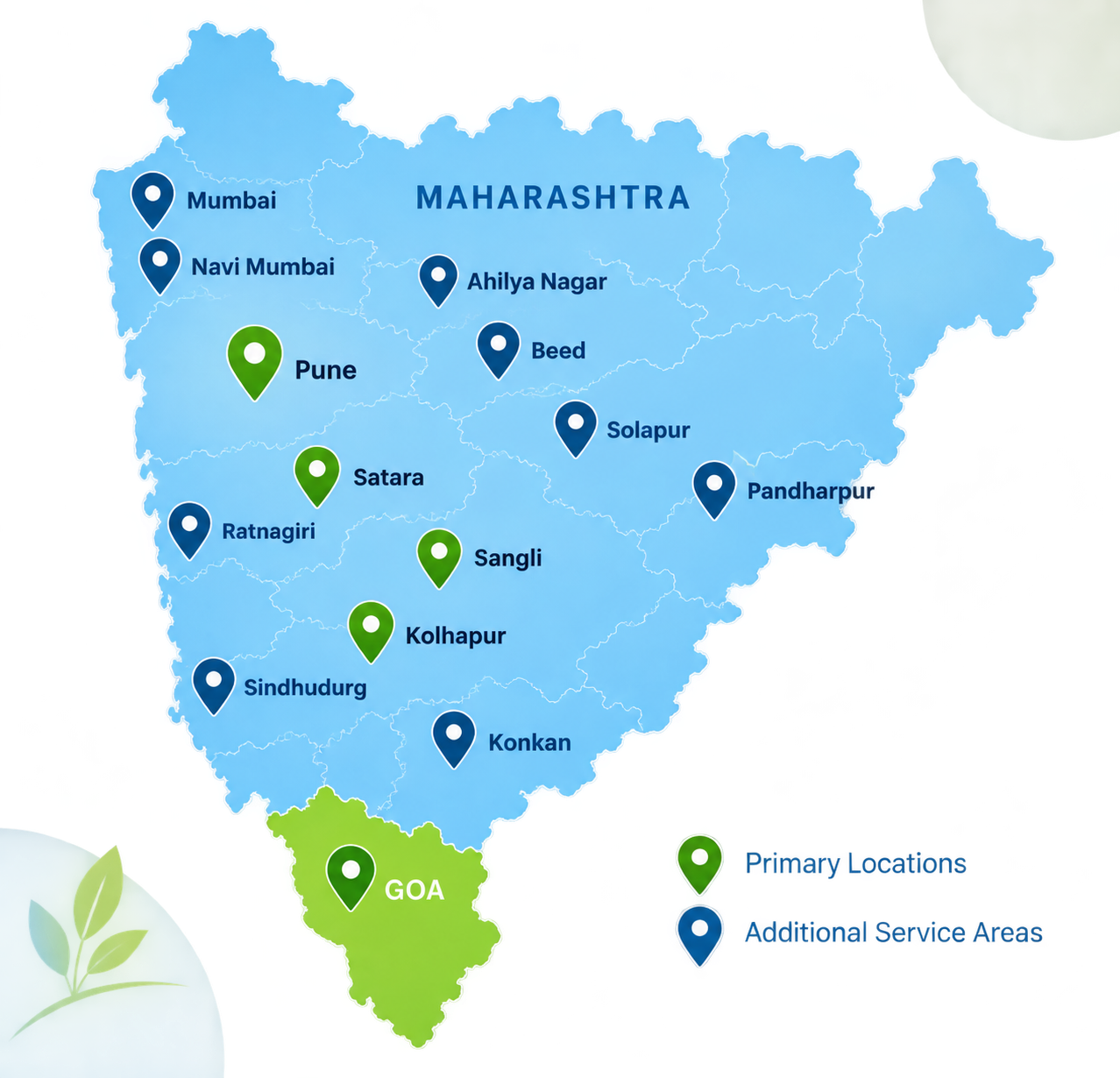
Women looking for women's wellness and nutrition support in Pune, Kolhapur, Sangli, Satara, and other parts of Maharashtra can explore the information on this page. People in Goa and other locations can contact the centre to confirm current service availability and consultation options.

Shri Samarth Wellness & Fitness Centre
Women's Health Support

What Is Women's Health Support?

Women's Health Support is a broad wellness approach that recognises women's nutritional, physical, and lifestyle needs at different stages of life. Depending on the service offered, general wellness guidance may include balanced nutrition, meal planning, hydration, physical activity, sleep habits, and healthy routine development.

Women's health is not limited to reproductive health. It also includes bone strength, heart health, digestive wellness, emotional well-being, energy levels, and long-term healthy ageing.

A woman's needs can be influenced by age, activity level, food preferences, menstrual health, pregnancy or breastfeeding, menopause, medications, and existing medical conditions. Therefore, there is no single diet, supplement, or lifestyle routine that is suitable for every woman.

Women's Health Support at a wellness centre should complement appropriate medical care. It does not replace consultation with a qualified doctor, gynaecologist, registered dietitian, or other healthcare professional when specialised assessment or treatment is needed.

Importance

Why Is Women's Health and Wellness Important?

Women's wellness involves looking after both present-day needs and long-term health. Everyday habits can help support normal body functions, nutritional adequacy, and general quality of life.

1. Supporting everyday energy

Work, household responsibilities, education, caregiving, and physical activity can all place demands on a person's time and energy. Eating regular, balanced meals can help provide the nutrients and energy required for daily activities.

Meals that include suitable carbohydrate sources, protein, healthy fats, vegetables, and fruits can contribute to a varied diet. The quantity and combination of foods should reflect individual requirements rather than a one-size-fits-all plan.

2. Maintaining bone health

Bone health matters throughout life. Calcium, vitamin D, protein, and appropriate weight-bearing activity all play roles in maintaining healthy bones.

Nutritional needs can change with age and life stage, including around menopause. Women concerned about bone health, osteoporosis, recurrent fractures, or vitamin deficiencies should seek professional advice rather than relying on supplements without assessment.

3. Supporting heart health

Heart health is important for women at every adult age. A balanced eating pattern, regular physical activity, adequate sleep, avoiding tobacco, and routine health checks can contribute to cardiovascular well-being.

Family history, blood pressure, cholesterol, diabetes, and other factors may influence an individual's risk. Nutrition and lifestyle guidance cannot replace medical screening or prescribed treatment.

4. Meeting changing nutritional needs

Some women may need to pay particular attention to nutrients such as iron, calcium, vitamin D, folate, and protein, depending on their circumstances.

For example, menstruation can increase iron requirements for some women, while pregnancy involves specific nutritional considerations. Menopause may also affect bone-health needs. These differences are reasons to seek suitable advice—not reasons for everyone to take the same supplements.

5. Encouraging sustainable self-care

Self-care does not need to involve expensive products or long daily routines. Simple steps such as preparing balanced meals, walking regularly, keeping water accessible, maintaining a consistent sleep schedule, and attending preventive health appointments can form a useful foundation.

Wellness should support a woman's life, not create pressure to meet unrealistic appearance standards or follow extreme diets.

Nutrition for

Nutrition for Women's Health

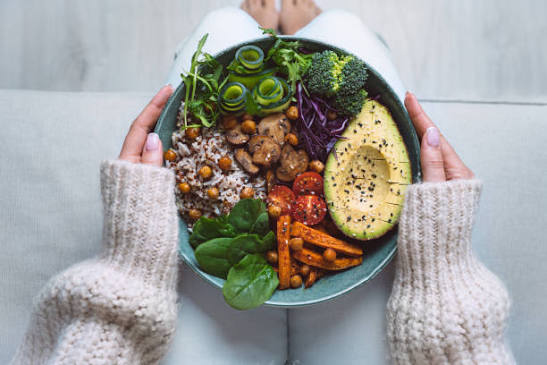
Nutrition is one important part of women's wellness. A varied eating pattern can help supply the energy, protein, vitamins, minerals, and other nutrients needed for normal body functions.

A balanced approach should consider food preferences, budget, cultural eating habits, activity levels, allergies, and medical requirements.

Include a variety of vegetables and fruits

Vegetables and fruits provide fibre and a range of vitamins, minerals, and other beneficial plant compounds.

Practical choices may include:

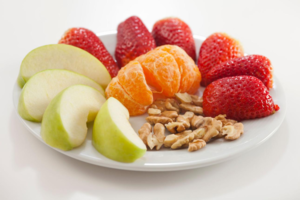
  • Seasonal fruits such as oranges, guava, bananas, apples, or papaya.
  • Green leafy vegetables and other locally available vegetables.
  • Green leafy vegetables and other locally available vegetables.
  • Whole fruit as a convenient snack when suitable.

Different foods provide different nutrients, so variety is more useful than relying on one fruit, juice, or supposedly special health food.

Include suitable protein sources

Protein supports the maintenance and repair of body tissues and is an important part of a balanced diet.

Depending on individual preferences, suitable sources may include dal, beans, chickpeas, other pulses, milk, curd, paneer, eggs, fish, poultry, tofu, or other alternatives.

Women who are physically active, older adults, and those with particular nutritional needs may require individual guidance about protein intake. People with kidney disease or other conditions that affect dietary requirements should follow advice from their healthcare professional.

Choose whole grains and other suitable carbohydrate sources

Carbohydrates provide energy for everyday activities. Options such as whole-wheat roti, oats, millets, brown rice, and other grains can contribute to a varied diet.

There is no universal need to eliminate rice, roti, or other carbohydrate-containing foods to support women's health. Portion sizes and food choices should reflect individual energy needs, preferences, and medical advice.

Understand the importance of healthy fats

Dietary fats support normal body functions and help the body absorb certain vitamins. Sources may include nuts, seeds, and appropriate vegetable oils.

The goal is not to remove all fats but to choose a balanced pattern and use portions that suit individual nutritional needs.

Pay attention to iron intake

Iron is required to make haemoglobin, which helps red blood cells carry oxygen. Some women, including those with heavy menstrual bleeding, may be at increased risk of iron deficiency.

Iron-containing foods include pulses, beans, leafy vegetables, and other suitable foods. Animal-source foods can also provide iron for those who eat them. Vitamin C-rich foods can help the body absorb iron from plant sources when eaten as part of the same meal.

Fatigue, weakness, breathlessness, or dizziness can have several causes. If iron deficiency is suspected, seek medical assessment. Iron supplements should not be started unnecessarily or used as a substitute for determining the cause of symptoms.

Meet calcium and vitamin D needs

Calcium contributes to maintaining bones and teeth, while vitamin D helps the body absorb calcium. Suitable calcium sources may include milk, curd, certain fortified foods, and other calcium-containing foods.

Vitamin D status can be affected by several factors, including sun exposure, diet, age, and individual health circumstances. Supplements may be appropriate for some people, but the need and dose should be discussed with a qualified healthcare professional.

Different Life Stages

Women's Wellness at Different Life Stages

Women's nutritional and lifestyle needs can change over time. Recognising these changes can help women ask better questions and make informed decisions about their health.

1. Adolescence and young adulthood

Adolescence is a period of growth and development. Adequate energy, protein, iron, calcium, and other nutrients support normal development.

Young women may face academic pressure, irregular meal routines, body-image concerns, or misleading diet trends online. Encouraging balanced meals, appropriate physical activity, sufficient sleep, and a healthy relationship with food is more helpful than restrictive dieting.

Irregular or absent periods, unusually heavy bleeding, severe menstrual pain, or concerns about growth and development should be discussed with a qualified healthcare professional.

2. Women's health during the reproductive years

During adulthood, nutritional needs may be influenced by menstrual cycles, activity levels, work routines, and personal health goals.

Women may benefit from practical meal planning that helps them eat regularly and include a variety of foods. However, persistent fatigue, significant changes in menstruation, or other unexplained symptoms should not automatically be attributed to diet or stress.

3. Nutrition during pregnancy and breastfeeding

Pregnancy and breastfeeding involve specific nutritional considerations. Adequate nutrition is important, but requirements vary depending on the individual and stage of pregnancy or breastfeeding.

Women who are pregnant, planning pregnancy, or breastfeeding should obtain guidance from a qualified healthcare professional regarding dietary needs, supplements, food safety, and any medical conditions. A general wellness programme should not replace antenatal or postnatal care.

4. Menopause and healthy ageing

Menopause is a natural life stage that can involve changes in menstrual patterns, sleep, body composition, and other aspects of well-being.

Maintaining a varied diet, suitable physical activity, and healthy sleep habits may support overall wellness. Bone health and cardiovascular risk also become important topics to discuss with a healthcare professional as women age.

Menopause-related symptoms vary considerably. Women experiencing severe symptoms, unusual bleeding, or concerns about their health should seek medical assessment rather than relying solely on lifestyle changes.

Women's Health Support

Women's Health Support for Busy Working Professionals

Many women balance professional responsibilities with commuting, family commitments, and personal goals. These demands can make it difficult to maintain regular meals, exercise, and sleep.

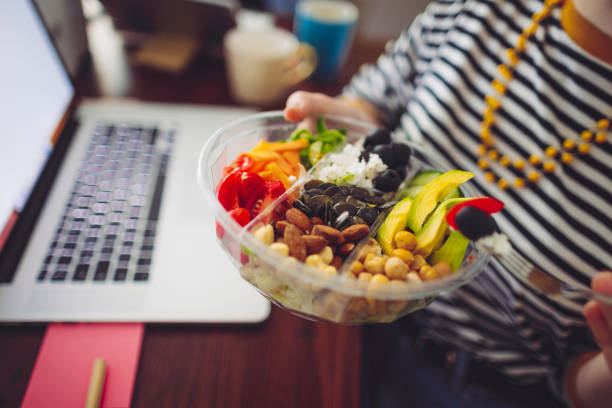
A practical routine may include preparing lunch in advance, keeping balanced snacks available, drinking fluids regularly, and making time for movement during the day.

For working women in Pune and other urban areas, consistency may be more achievable than trying to follow a strict diet or exercise plan. Even small changes can provide a starting point, although their benefits depend on individual circumstances.

Useful habits include:

  • Planning meals around the working day.
  • Including a suitable protein source in meals.
  • Keeping convenient fruit or other balanced snacks available.
  • Making time for physical activity suited to your abilities.
  • Maintaining a regular bedtime where possible.
  • Scheduling preventive health appointments rather than postponing them indefinitely.

These habits are general wellness measures. Persistent fatigue, dizziness, changes in menstrual health, or unexplained weight changes require appropriate medical assessment.

Women's Health Support Areas

Women's Health Support in Pune, Maharashtra and Goa

Access to practical wellness information can help women make more informed choices about nutrition and everyday habits. Shri Samarth Wellness & Fitness Centre's website provides an opportunity for people to explore its wellness services and enquire about available support.

This service page is relevant to people searching for women's health support in Pune, Kolhapur, Sangli, and Satara, as well as those researching wellness services in other parts of Maharashtra.

People in Mumbai, Navi Mumbai, Solapur, Ratnagiri, Pandharpur, Beed, Ahilya Nagar, Sindhudurg, the Konkan region, and Goa can contact the centre to confirm whether consultations or other services are available for their location.

Local service availability, consultation arrangements, and the scope of any nutrition guidance should be confirmed directly with the centre before booking. These location references do not imply that the business has a physical branch in every listed area.

Daily Wellness Habits

Practical Daily Wellness Habits for Women

Women's wellness does not require an expensive routine or a perfect diet. Sustainable habits that fit your schedule, nutritional needs, and personal circumstances are often a more practical starting point.

Build balanced meals

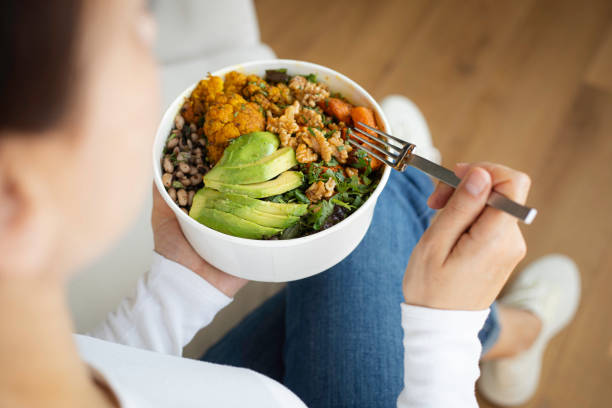
Aim to include a variety of food groups across the day. Depending on your preferences, a meal may include vegetables, a grain or other carbohydrate source, a protein source, and a suitable amount of healthy fat.

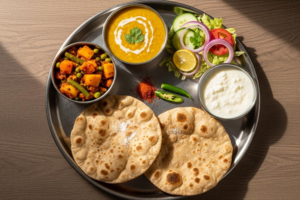
Traditional home-cooked meals can be part of a balanced eating pattern. Dal, roti, rice, vegetables, curd, pulses, eggs, and other suitable foods can provide a range of nutrients.

Avoid extreme diets or unnecessarily eliminating entire food groups without professional advice.

Maintain a comfortable hydration routine

Water supports normal body functions. Keep drinking water accessible and drink regularly according to your needs, activity, climate, and medical circumstances.

There is no single fluid target that is suitable for every person. If a healthcare professional has advised you to restrict fluids, follow that guidance.

Make time for physical activity

Regular physical activity can support cardiovascular health, muscle strength, mobility, and general well-being.

Depending on your fitness level and health status, activities may include walking, cycling, swimming, strength exercises, yoga, or other enjoyable forms of movement. Start at a comfortable level and increase gradually.

Women who are pregnant, recovering from childbirth, experiencing pain, or managing a medical condition should ask their healthcare professional which activities are appropriate.

Prioritise sleep and recovery

Sleep is an important part of overall health. A consistent sleep and wake schedule, a comfortable sleeping environment, and a relaxing evening routine may help support better sleep habits.

Work demands, caregiving responsibilities, hormonal changes, stress, and medical conditions can all affect sleep. Persistent sleep difficulties deserve attention rather than being dismissed as a normal part of being busy.

Make preventive healthcare part of your routine

Wellness includes knowing when to seek professional care. Depending on your age and individual risk factors, preventive healthcare may include discussions about blood pressure, blood sugar, cholesterol, cervical cancer screening, breast health, bone health, and reproductive health.

Recommended screenings vary according to age, medical history, and local clinical guidance. A qualified healthcare professional can help you determine which checks are appropriate.

Be cautious with supplements and online wellness trends

Iron, calcium, vitamin D, and other supplements may be appropriate for some women, but not everyone needs the same products or doses.

Avoid relying on social media advice, detox products, or supplements marketed as solutions for hormonal balance, fertility, rapid weight loss, or menopause. Discuss supplements and herbal products with a qualified healthcare professional, particularly if you take medication or have an existing medical condition.

Meal-Planning Example

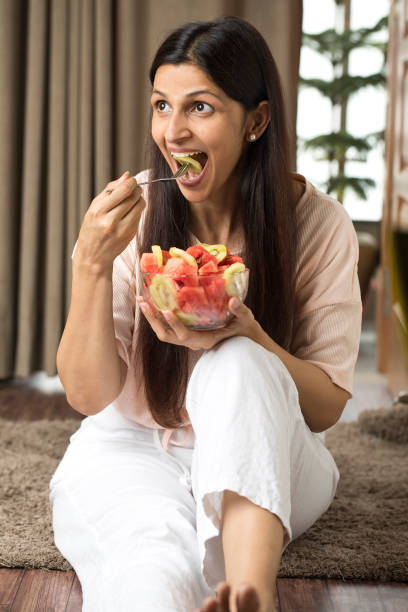
A Practical One-Day Meal-Planning Example

The following is an illustrative meal plan for general nutrition education. It is not a personalised diet prescription. Food choices and portions should be adjusted to your nutritional needs, appetite, food preferences, allergies, activity level, and medical advice.

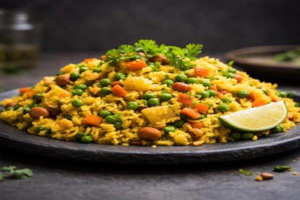
i] Breakfast - Vegetable poha, oats, or another preferred breakfast, with a suitable protein source if needed.

ii] Lunch - Roti or rice, dal or another protein source, vegetables, and curd if tolerated.

iii] Afternoon snack - Seasonal fruit, nuts in a suitable portion, or another convenient snack.

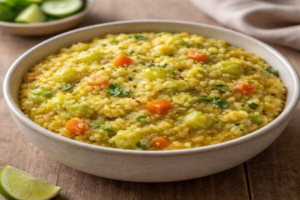
iv] Dinner - A balanced meal such as khichdi with vegetables, or a preferred combination of grains, protein, and vegetables.

iv] Throughout the day - Drink fluids according to your individual needs and any medical advice you have received.

This example is flexible, not a compulsory schedule. Women who are pregnant or breastfeeding, managing a medical condition, recovering from an eating disorder, or following a prescribed diet should obtain individual guidance before making significant dietary changes.

Different Everyday Needs

Women's Health Support for Different Everyday Needs

01

For working women

Meal preparation, hydration, movement, and sleep can be difficult to manage during a demanding workweek. Planning meals ahead, keeping convenient food options available, and setting realistic activity goals may help create a more sustainable routine.

02

For homemakers and caregivers

Caring for others can leave little time for personal well-being. Making time for meals, rest, movement, and healthcare appointments is a legitimate part of maintaining health, not a luxury.

03

For students and young adults

Young women may encounter pressure to follow restrictive diets or meet unrealistic appearance standards. Balanced nutrition, adequate sleep, enjoyable activity, and a positive relationship with food are more appropriate foundations for long-term wellness.

04

For women approaching menopause

Women approaching or experiencing menopause may have questions about changing nutritional needs, sleep, bone health, and physical activity. General lifestyle guidance can support wellness, but persistent symptoms and concerns about hormone-related treatment should be discussed with a qualified healthcare professional.

How to Choose

How to Choose Appropriate Women's Wellness Support

Before selecting a wellness programme, consider the following points:

1. Check the scope of the service - Confirm whether it offers general nutrition education, meal planning, fitness guidance, or other services.

2. Verify qualifications - Ask about the education, relevant credentials, and professional scope of the person providing guidance.

3. Share your needs appropriately - Discuss food preferences, allergies, dietary restrictions, relevant medical conditions, and current medications where necessary.

4. Look for realistic recommendations - UBe cautious of guaranteed weight-loss results, claims to cure hormonal conditions, or promises to improve fertility without appropriate medical care.

5. Expect individual consideration - Nutrition advice should account for life stage, preferences, budget, and health requirements.

6. Know when to seek medical care - A wellness service should refer you to an appropriate healthcare professional when symptoms require medical assessment.

Why Consider

Why Consider Shri Samarth Wellness & Fitness Centre?

Shri Samarth Wellness & Fitness Centre provides a place to explore general wellness and nutrition information. If you are considering its Women's Health Support service, contact the centre to confirm what is currently offered and whether it matches your requirements.

Before making an appointment, you can ask about:

The service's scope and what a consultation includes. The qualifications of the person providing nutrition or wellness guidance. Whether recommendations can accommodate your food preferences and routine. Fees, appointment arrangements, and location availability. When referral to a doctor or another qualified healthcare professional may be needed.

The aim of appropriate wellness guidance should be to support informed decisions and sustainable habits—not to replace medical care or promise specific health outcomes.

Health Support Areas

Women's Health Support in Pune, Maharashtra and Goa

People searching for Women's Health Support in Pune may be looking for nutrition guidance, balanced meal planning, and everyday wellness information suited to their lifestyle.

The page can also help people researching general wellness support in:

  • Pune: Information for working women, students, and families seeking healthier everyday routines.
  • Kolhapur: General nutrition and lifestyle education.
  • Sangli: Balanced eating and sustainable wellness habits.
  • Satara: Nutrition awareness and healthy routine development.
  • Mumbai and Navi Mumbai: Enquiries about available service options.
  • Solapur, Ratnagiri, Pandharpur, Beed and Ahilya Nagar: General wellness information and service enquiries.
  • Sindhudurg and the Konkan region: Everyday nutrition and lifestyle guidance.
  • Goa: Enquiries about whether the service is available for your location.

These are target areas for relevant local information, not confirmation of physical branches or in-person consultations in each place. Contact the centre to confirm current availability.

Frequently Asked Questions

Frequently Asked Questions About Women's Health Support

01

Women's Health Support is a general wellness approach that may include nutrition awareness, balanced eating, physical activity, sleep habits, and healthy routine development. It does not replace medical assessment or treatment.

03

No. Iron supplementation is not necessary for every woman. If iron deficiency is suspected, a healthcare professional can assess the cause and determine whether supplements are appropriate.

05

There is no single menopause diet suitable for everyone. A varied eating pattern, appropriate physical activity, and attention to bone and cardiovascular health can support general wellness. Individual concerns should be discussed with a healthcare professional.

07

Pregnancy involves specific nutritional and supplement needs. A qualified healthcare professional should guide food safety, supplementation, and any changes required because of medical conditions. General wellness advice cannot replace antenatal care.

09

General nutrition education can be useful for adolescents, but their nutritional and developmental needs differ from those of adults. A qualified healthcare professional should assess concerns involving growth, missed periods, severe menstrual pain, or other persistent symptoms.

11

Visit the Contact Us page to enquire about the service and confirm the centre's current consultation arrangements.

02

A varied diet can include vegetables, fruits, whole grains, pulses, suitable protein sources, and healthy fats. Iron, calcium, vitamin D, folate, and protein are important nutrients, but individual needs vary with age, life stage, and health circumstances.

04

Adequate nutrition supports normal body functions, but no single food or supplement can guarantee hormonal balance. Menstrual irregularities or other hormone-related symptoms should be evaluated by a qualified healthcare professional.

06

Weight management should account for nutritional adequacy, medical circumstances, and individual goals. Avoid extreme calorie restriction, particularly during pregnancy or breastfeeding, and seek appropriate professional advice if you have medical concerns or a history of disordered eating.

08

Meal planning, keeping convenient balanced foods available, drinking fluids regularly, making time for suitable physical activity, and maintaining a consistent sleep routine are practical starting points. Adapt these habits to your schedule and circumstances.

10

No. Do not stop or change prescribed medication without consulting the treating healthcare professional. Lifestyle measures can complement appropriate medical care but should not be presented as a replacement for necessary treatment.

12

People in Pune, Kolhapur, Sangli, Satara, other parts of Maharashtra, and Goa can enquire about availability. Service coverage and consultation options must be confirmed directly with Shri Samarth Wellness & Fitness Centre.

Wellness Guidance

Responsible Wellness Guidance

Women's health is individual, and symptoms should not be attributed to lifestyle alone. Persistent fatigue, unusually heavy bleeding, missed or irregular periods, unexplained weight changes, or other continuing concerns deserve assessment by an appropriate healthcare professional.

Seek urgent medical care for symptoms such as severe chest pain, difficulty breathing, fainting with concerning symptoms, or severe sudden abdominal pain. During pregnancy, follow professional advice about symptoms that require urgent assessment.

Pregnant or breastfeeding women, adolescents, women taking medication, and people with existing medical conditions should seek appropriate professional guidance before starting supplements or making significant dietary changes.

The information on this page is intended for general educational purposes. It is not a substitute for personalised medical advice, diagnosis, or treatment.

Related Services

Explore Related Wellness Services

Contact Now