Heart Health Support

About Heart Health Support Service

Heart Health Support

Heart Health Support in Pune & Maharashtra for Everyday Wellness

Your heart works continuously to support your body's daily activities. Developing heart-conscious lifestyle habits, making balanced food choices, staying physically active within your abilities and getting adequate sleep can contribute to overall cardiovascular wellness.

At Shri Samarth Wellness & Fitness Centre, our heart health support service is positioned around general nutrition awareness and healthy lifestyle habits. The aim is to help individuals understand how everyday food choices, physical activity, hydration, sleep and other lifestyle factors fit into a balanced wellness routine.

Whether you live in Pune, Kolhapur, Sangli, Satara or another intended service area across Maharashtra and Goa, understanding the basics of heart-conscious living can help you make more informed decisions about your daily routine.

This page provides general educational information. It does not replace medical evaluation, cardiac treatment or advice from a qualified healthcare professional.


Shri Samarth Wellness & Fitness Centre Shri Samarth Wellness & Fitness Centre
Heart Health Support

What Is Heart Health Support?

Heart health support refers to general wellness guidance that helps people understand everyday habits associated with cardiovascular health. It may include learning about balanced nutrition, sodium intake, dietary fats, regular movement, sleep routines and other lifestyle considerations.

The heart and blood vessels form the cardiovascular system. This system circulates blood throughout the body, delivering oxygen and nutrients to tissues. Maintaining cardiovascular health is important throughout life, not only for people who already have a diagnosed condition.

Heart health support may be relevant to adults who want to build healthier routines, understand food labels, improve their meal-planning habits or learn more about lifestyle factors associated with cardiovascular wellness.

However, general wellness guidance is not the same as medical heart care. Conditions such as high blood pressure, coronary artery disease, heart failure and abnormal heart rhythms require appropriate clinical assessment and management.

At Shri Samarth Wellness & Fitness Centre, the focus of this service page is general nutrition and wellness education. Any specific consultations, programmes or products available through the centre should be confirmed directly before booking.

Heart Health Importantance

Why Is Heart Health Important?

The heart supplies blood to the brain, muscles and other organs. Cardiovascular health can influence a person's ability to carry out everyday activities, from walking and working to participating in family and recreational activities.

Several factors can influence cardiovascular health, including age, family history, tobacco exposure, physical activity, food habits, blood pressure, blood glucose, cholesterol levels and certain medical conditions.

Some risk factors cannot be changed, such as age and inherited predisposition. Others may be influenced by lifestyle choices or appropriate medical treatment.

Understanding these factors can help people take practical steps without feeling that they need to change everything at once.

Benefits

Benefits of Building Heart-Conscious Habits

Healthy lifestyle habits can support overall well-being in several ways:

i) Balanced nutrition: A varied eating pattern can help provide the nutrients the body needs.

ii) Physical activity: Appropriate regular movement supports general fitness and cardiovascular function.

iii) Weight management: Maintaining a weight appropriate for your individual circumstances may support broader health goals.

iv) Better sleep routines: Consistent, adequate sleep is an important part of overall health.

v) Reduced tobacco exposure: Avoiding tobacco and seeking support to quit can benefit cardiovascular health.

vi) Preventive healthcare: Routine check-ups can help identify risk factors that may not cause noticeable symptoms.

These habits are valuable, but they do not guarantee that a person will avoid heart disease. Genetics, medical history and other factors also matter.

Heart-Healthy Nutrition

Heart-Healthy Nutrition: Where Should You Start?

Food choices are an important part of a heart-conscious lifestyle. Rather than depending on a single food, drink or supplement, it is generally more useful to look at the overall eating pattern.

A balanced approach can include vegetables, fruits, whole grains, pulses, beans, nuts in suitable portions, and appropriate sources of protein. Individual requirements vary according to age, health conditions, activity level, preferences and any prescribed dietary restrictions.

Include a Variety of Vegetables and Fruits

Vegetables and fruits provide different vitamins, minerals, fibre and other naturally occurring compounds. Including a variety of options can make meals more balanced and enjoyable.

Examples commonly available in Indian households include: 1. Spinach and other leafy vegetables 2. Carrots, beans, gourds and seasonal vegetables 3.Guava, oranges, apples and other whole fruits 4. Seasonal local produce available in Maharashtra

Choose options that fit your budget, preferences and dietary requirements. Fresh, frozen or appropriately prepared alternatives may all have a place in a balanced eating pattern.

Choose Whole Grains and Fibre-Rich Foods

Whole grains and pulses can contribute fibre and other nutrients to everyday meals.

Depending on personal preferences, meal options may include whole-wheat chapati, oats, brown rice, millets, dal, chickpeas, rajma and other beans.

You do not necessarily need to remove familiar Indian foods from your diet. Instead, consider variety, portions, cooking methods and the overall balance of your meals.

People who need to manage potassium, phosphorus or other nutrients for a medical reason should seek individual guidance before making substantial dietary changes.

Choose Protein Sources Thoughtfully

Protein supports the body's normal growth, maintenance and repair. Suitable sources depend on personal preferences and health requirements.

Options may include dal, beans, chickpeas, soy foods, eggs, fish, poultry, dairy products and other foods that fit an individual's eating pattern.

The choice of protein source matters, but so do preparation methods and accompanying ingredients. For example, a heavily salted or deep-fried preparation may have a different nutritional profile from a simply prepared alternative.

People with kidney disease or medically prescribed protein restrictions should consult their treating healthcare professional before changing protein intake.

Understanding Heart Health

Understanding Dietary Fats and Heart Health

Dietary fat is an essential part of nutrition. It supplies energy and helps the body absorb certain vitamins. The type and amount of fat consumed can also matter for cardiovascular health.

a] Unsaturated Fats

Unsaturated fats are found in foods such as nuts, seeds, some vegetable oils and certain fish. Replacing some saturated fats with unsaturated fats may be beneficial as part of an overall balanced dietary pattern.

Examples of foods that can fit into many eating patterns include almonds, walnuts, peanuts, sesame seeds and other seeds. Portions should reflect individual energy requirements, preferences and any allergies.

b] Saturated Fats

Saturated fats are present in foods such as butter, ghee, some dairy products, fatty meats and certain tropical oils. Their health implications depend partly on the overall diet and what replaces them.

Rather than assuming that one ingredient alone determines heart health, consider the frequency, quantity and context of the foods you eat.

c] Trans Fats and Frequently Fried Foods

Industrial trans fats are associated with increased cardiovascular risk. It is sensible to limit foods containing industrial trans fats and to review ingredient labels where relevant.

Frequently eating deep-fried or highly processed foods may also make it harder to maintain a balanced dietary pattern, especially when these foods regularly replace more varied meals.

Practical tip: Focus on sustainable changes to your overall eating pattern rather than relying on claims that one oil, food or supplement can protect the heart.

Everyday Indian Meals

Sodium, Salt and Everyday Indian Meals

Sodium is an essential mineral, but excessive sodium intake can contribute to high blood pressure in some people. Blood pressure is an important cardiovascular risk factor.

Salt can come from several sources, including table salt, pickles, papad, packaged snacks, instant foods, sauces and some ready-made meals.

Practical Ways to Be More Mindful of Salt

Taste food before adding extra salt. Compare sodium information on packaged foods when available. Use herbs, spices, lemon and other suitable flavourings to add variety. Be mindful of the combined salt content of several foods eaten during the day. Follow any sodium restriction prescribed by your healthcare professional.

Traditional Indian meals can be adapted to suit a range of preferences and requirements. The goal is not to make every meal bland, but to understand where salt comes from and make practical choices.

People with heart failure, kidney conditions or other medical needs may require an individualised sodium and fluid plan. Do not change a prescribed plan without consulting your treating clinician.

Healthy Eating Habits

Heart Health and Healthy Eating Habits in Maharashtra

Food habits vary across Pune, Kolhapur, Sangli, Satara, Goa and other regions. Family traditions, work schedules, travel, food availability and personal preferences all influence daily meals.

A realistic heart-conscious eating pattern should work with these circumstances instead of requiring an entirely unfamiliar diet.

For example, individuals may consider:

a. Including vegetables and pulses regularly in home-cooked meals.

b. Balancing portions of rice, chapati, bhakri and other staple foods according to individual needs.

c. Being mindful of the frequency and portions of salty packaged snacks.

d. Choosing cooking methods that suit their health goals and preferences.

e. Planning meals ahead when work or travel makes regular eating difficult.

f. Drinking fluids according to individual needs and any medical instructions.

There is no single meal plan that suits everyone. A person's age, medical history, food preferences, cultural practices and clinical recommendations should all be considered.

Shri Samarth Wellness & Fitness Centre aims to present wellness information in a practical, familiar context. If you are seeking a diet plan for an existing heart condition, consult your cardiologist or another qualified healthcare professional, who can advise whether a registered dietitian or other nutrition professional should be involved.

Who May Benefit

Who May Benefit from Heart Health Awareness?

General heart health education may be useful for adults who want to understand cardiovascular risk factors and build healthier routines.

This may include people who:

Want to improve everyday food choices. Are interested in learning about sodium and dietary fats. Want to understand how physical activity fits into a healthy lifestyle. Have a family history of cardiovascular disease and want to discuss prevention with a healthcare professional. Want to make their daily routine more consistent. Need help understanding general nutrition information on packaged foods.

People with high blood pressure, high cholesterol, diabetes or a diagnosed heart condition may also have specific nutrition questions. However, they should not rely on general wellness content as a substitute for medical care.

If you have a diagnosed condition, take prescribed medication or have been given specific dietary instructions, coordinate any lifestyle changes with your treating healthcare professional.

Diet Management Areas

Diet Management in Pune, Kolhapur, Sangli, Satara & Goa

Shri Samarth Wellness & Fitness Centre is developing its service content for people interested in nutrition and general wellness across Maharashtra and Goa.

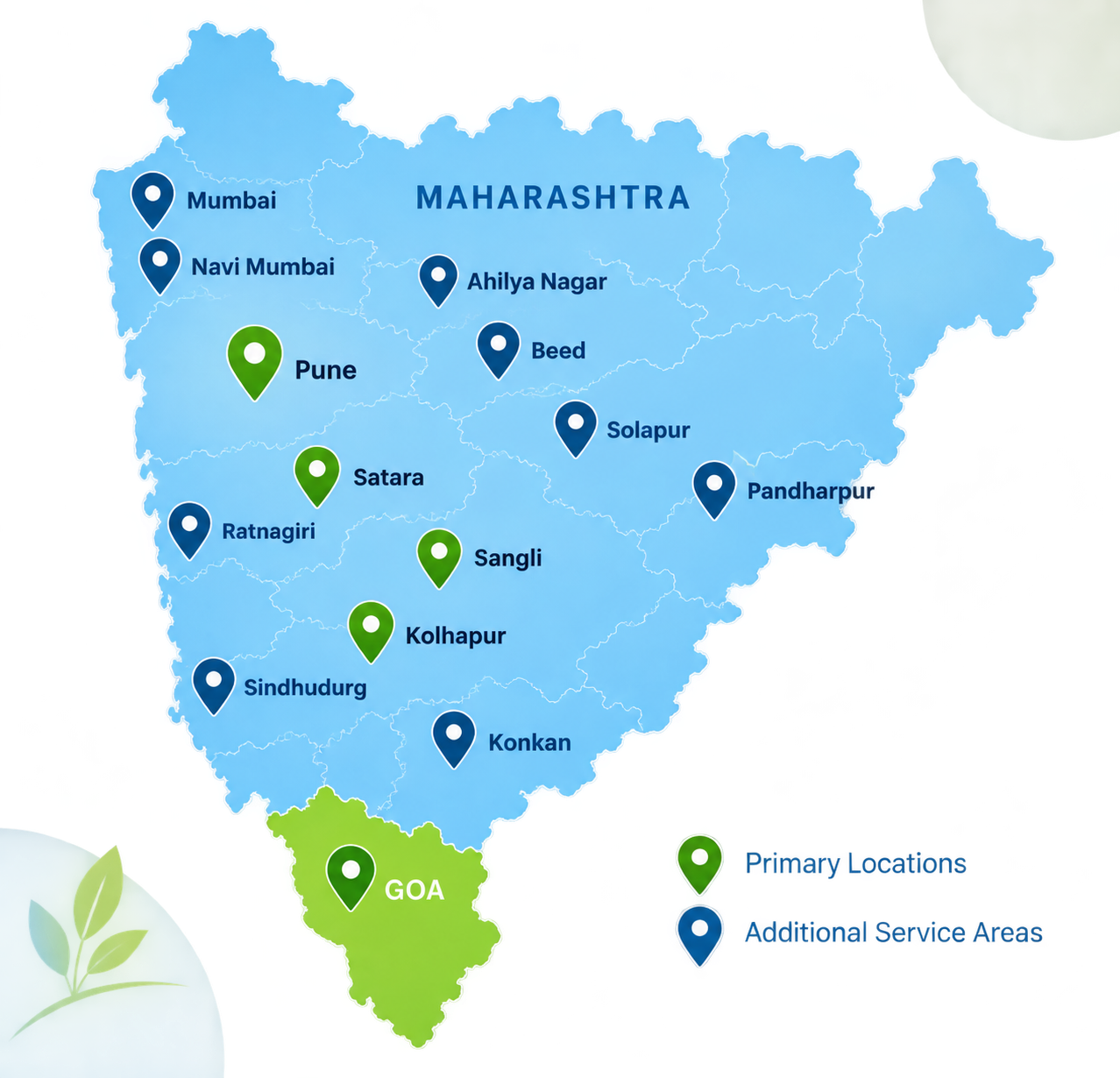
The intended primary service areas include:

Pune: General wellness and nutrition awareness for everyday routines. Kolhapur: Practical education around balanced eating and lifestyle habits. Sangli: General nutrition awareness and informed food choices. Satara: Lifestyle and wellness education that reflects individual needs. Goa: Nutrition and wellness information for people seeking healthier daily habits.

Additional target areas include Mumbai, Navi Mumbai, Solapur, Ratnagiri, Pandharpur, Beed, Ahilya Nagar, Sindhudurg and the Konkan region.

Please contact the centre to confirm the locations it currently serves, available appointment formats and the exact scope of its heart health support service. These area references should not be interpreted as confirmation of a physical branch or on-site service in every location.

Activity and Habits

Physical Activity and Everyday Heart-Conscious Habits

Physical activity is an important part of overall cardiovascular wellness. Regular movement can support cardiovascular fitness, help manage certain health risk factors and contribute to general physical and mental well-being.

You do not necessarily need an intensive workout routine to begin building healthier habits. Small, consistent changes can be a practical starting point.

1. Make Movement Part of Your Day

Depending on your fitness level and health needs, everyday movement may include:

  • Walking outdoors or indoors.
  • Taking short movement breaks during long periods of sitting.
  • Using stairs when appropriate and safe.
  • Gardening, household activities or other forms of active recreation.
  • Participating in suitable exercise classes or structured fitness activities.

Adults are generally encouraged to work towards at least 150 minutes of moderate-intensity aerobic activity each week, alongside muscle-strengthening activities on two or more days, as recommended by major public health guidelines. Your suitable activity level may differ according to age, ability and medical history.

If you have a diagnosed heart condition, experience symptoms during activity or have been inactive for a long time, consult a healthcare professional before starting a demanding exercise programme. Stop exercising and seek medical advice if you develop concerning symptoms.

2. Reduce Prolonged Sitting

Many people spend long hours sitting at a desk, travelling or using digital devices. Where possible, break up long sitting periods with brief movement breaks.

For people working in offices in Pune and other busy cities, simple changes might include standing periodically, taking a short walk during a break or walking while having a suitable phone conversation.

The most useful routine is one that fits your circumstances and can be maintained consistently.

Management and Health

Stress Management and Heart Health

Stress Management and Heart Health

Stress is a normal part of life. Work responsibilities, family commitments, financial pressures and daily travel can all affect a person's sense of well-being.

Stress may also influence sleep, eating patterns, physical activity and other behaviours associated with cardiovascular health. Managing stress does not mean eliminating every difficult situation; it means developing practical ways to respond to everyday pressures.

Everyday Ways to Manage Stress

Consider incorporating one or more of these habits into your routine:

01

Take short breaks

Take short breaks. Step away from work when possible and allow yourself a few minutes to reset

02

Practise relaxation

Practise relaxation. Slow breathing, meditation, prayer or other calming practices may help some people manage stress.

03

Maintain social connections

Maintain social connections. Talking with trusted friends or family members can provide emotional support.

04

Keep a realistic schedule

Keep a realistic schedule. Break large tasks into smaller steps and allow time for meals, movement and rest.

05

Seek professional support

Seek professional support when needed. Persistent stress, anxiety or low mood can affect daily life. A qualified mental health professional can help you explore appropriate support.

06

Stress-management practices

Stress-management practices are not a substitute for cardiovascular treatment, and no relaxation technique can guarantee protection against heart disease.

Wellness Info

Sleep and Cardiovascular Wellness

Sleep is an important part of general health. Regularly getting insufficient or poor-quality sleep may be associated with several health risks, including risks related to cardiovascular health.

Adults commonly need around seven to nine hours of sleep per night, although individual requirements vary.

Habits That May Support Better Sleep

Keep a reasonably consistent bedtime and waking time. Create a comfortable, quiet and dark sleeping environment. Limit caffeine late in the day if it affects your sleep. Establish a relaxing routine before bedtime. Avoid heavy meals immediately before bed if they cause discomfort. Include suitable daytime activity in your routine.

Snoring accompanied by pauses in breathing, persistent daytime sleepiness or ongoing difficulty sleeping may warrant medical evaluation. Do not assume that sleep problems are simply the result of a busy schedule.

For related general wellness information, visit our Sleep Support service page.

Risk Factors

Preventive Check-Ups and Knowing Your Risk Factors

Some cardiovascular risk factors may not cause obvious symptoms. Preventive healthcare can help identify concerns early and guide appropriate decisions.

A healthcare professional may recommend checking blood pressure, cholesterol levels, blood glucose or other measures depending on your age, medical history, family history and overall risk profile.

1. Why Regular Health Checks Matter

Blood pressure: High blood pressure may not cause noticeable symptoms. Appropriate measurement can help identify it.

Cholesterol: A lipid profile may help assess cholesterol levels and contribute to cardiovascular risk assessment.

Blood glucose: Screening may be recommended to assess the risk of diabetes or identify an existing glucose-related concern.

Medical history: Family history, tobacco use, medication, previous health conditions and lifestyle factors may influence an individual's risk assessment.

Not everyone requires the same tests at the same frequency. Your healthcare professional can recommend an appropriate screening schedule based on your circumstances.

2. Do Not Ignore Warning Signs

Seek emergency medical assistance if you experience possible heart attack symptoms, such as chest pressure or discomfort, shortness of breath, cold sweating, faintness, or pain spreading to the arm, back, neck or jaw. Symptoms can vary, and not every person experiences severe chest pain.

If you suspect a heart attack, contact local emergency services immediately. In India, you can call 112 for emergency assistance. Do not delay seeking care to try a diet change, supplement or home remedy.

Lifestyle Planning

Heart Health Support and Long-Term Lifestyle Planning

A healthier lifestyle is generally built through repeatable habits rather than short-term changes. You may find it easier to focus on one or two realistic goals at a time.

For example, you might begin by adding a suitable walk to your daily routine, reviewing packaged food labels or creating a more consistent bedtime. Once a habit becomes manageable, you can consider another change.

Create a Practical Weekly Routine

A general wellness routine might include:

Planning balanced meals and suitable snacks. Including a variety of vegetables, fruits, whole grains and protein sources. Being mindful of sodium and the types of fats in your overall diet. Scheduling appropriate physical activity. Allowing time for rest and sleep. Attending recommended medical appointments. Reviewing progress without expecting immediate or perfect results.

Your plan should reflect your own circumstances. A person with a diagnosed cardiovascular condition may need different dietary, exercise or fluid guidance from someone seeking general wellness education.

Shri Samarth Wellness & Fitness Centre's nutrition-related content is intended to support awareness of these everyday habits. Medical decisions and individual treatment plans should remain under the guidance of appropriately qualified healthcare professionals.

Why Choose

Why Choose Shri Samarth Wellness & Fitness Centre?

Understanding heart-conscious habits can be easier when nutrition and lifestyle information is presented in a clear, practical way.

Shri Samarth Wellness & Fitness Centre provides a setting for exploring general wellness topics alongside its broader nutrition-related service content.

Our Wellness Approach

Practical nutrition awareness

Learn about everyday food choices, dietary variety, portions and the ingredients listed on packaged foods.

Lifestyle-focused education

Understand how movement, sleep, stress management and daily routines fit into overall wellness.

A broader nutrition perspective

Explore related topics such as nutrition, diet management and weight management rather than relying on a single food, drink or supplement.

Attention to individual needs

Recognise that preferences, routines, medical histories and dietary requirements differ from person to person.

Clear health boundaries

General wellness education does not replace diagnosis, medical treatment or individual advice from a qualified healthcare professional.

Service Across Multiple Locations

Our primary service areas include Pune, Kolhapur, Sangli, Satara and Goa. Availability in other locations should be confirmed directly with our team.

For transparency, confirm the centre's current heart health support offerings, the qualifications of any professionals providing advice, appointment options and availability before booking. Do not assume that specialist cardiac services or clinical testing are included unless the centre explicitly confirms them.

Heart Health Areas

Heart Health Support in Pune, Maharashtra and Goa

Shri Samarth Wellness & Fitness Centre's intended target areas include Pune, Kolhapur, Sangli and Satara, as well as Goa. Additional target locations include Mumbai, Navi Mumbai, Solapur, Ratnagiri, Pandharpur, Beed, Ahilya Nagar, Sindhudurg and the Konkan region.

People in these areas may use this page to learn about general nutrition and lifestyle habits related to cardiovascular wellness.

If you are looking for support in Pune, Kolhapur, Sangli, Satara or Goa, contact the centre to confirm the current service area and the exact support available. References to these locations are intended for local relevance and do not confirm a physical branch in every area.

Contact Us For More Enquiries
Frequently Asked Questions

Frequently Asked Questions About Heart Health Support

01

Heart health support, in a general wellness context, involves education about nutrition,

03

No. Dietary fat is essential for normal body functions. The types and amounts of fat matter, and replacing some saturated fats with unsaturated fats may be beneficial as part of an overall balanced eating pattern.

05

Regular walking can contribute to physical activity and general fitness. The appropriate duration and intensity depend on your health, fitness level and abilities. Consult a healthcare professional if you have a medical condition or symptoms that may affect exercise safety.

07

Blood pressure, cholesterol and blood glucose assessments may be recommended depending on your individual risk factors. A healthcare professional can advise which checks are appropriate and how often they should be performed.

09

General wellness information may help people understand lifestyle topics, but anyone with an existing heart condition should follow their treating clinician's recommendations. Dietary changes, exercise and fluid intake may require individual medical guidance.

11

The centre's intended target locations include Pune, Kolhapur, Sangli, Satara and Goa, alongside other locations across Maharashtra. Confirm current service availability and appointment arrangements directly with the centre.

02

A balanced eating pattern may include vegetables, fruits, whole grains, pulses, suitable protein sources and appropriate amounts of unsaturated fats. Individual requirements vary, especially for people with medical conditions or prescribed dietary restrictions.

04

Excessive sodium intake can contribute to high blood pressure in some people. Checking food labels and being mindful of salt from packaged foods, pickles, papad and prepared meals may help you make informed choices.

06

Many adults need approximately seven to nine hours of sleep per night, though requirements differ. Persistent sleep difficulties or symptoms such as breathing pauses during sleep should be discussed with a healthcare professional.

08

No. Nutrition and lifestyle habits should not replace prescribed medication or medical treatment. Do not stop, change or delay medication without consulting the prescribing healthcare professional.

10

This page describes general nutrition and wellness support. It does not establish that the centre offers cardiac diagnosis, specialist treatment, medical testing or emergency services. Contact the centre directly to confirm its exact services.

12

You can explore the Nutrition service page and Diet Management service page. For information about available services, visit Contact Us.

Wellness Guidance

Responsible Wellness Guidance

The information on this page is for general educational purposes only. It is not intended to diagnose, treat, cure or prevent heart disease or any other medical condition.

Heart health depends on multiple factors, including genetics, age, medical history, lifestyle and access to appropriate healthcare. No food, beverage, supplement or wellness programme can guarantee protection against cardiovascular disease.

If you have high blood pressure, high cholesterol, diabetes, a diagnosed heart condition, kidney disease, food allergies or prescribed dietary restrictions, consult your treating healthcare professional before making significant dietary, exercise or fluid-intake changes.

Never stop or modify prescribed medication without medical advice. If you experience possible heart attack symptoms or another medical emergency, seek immediate medical assistance rather than relying on information from this page.

Related Services

Explore Related Services

Continue exploring the nutrition and wellness services offered by Shri Samarth Wellness & Fitness Centre:

Contact Now